5 Small Business Processes to Write Down First
You know the moment a client emails asking what happens next, and you answer them only realize the answer only exists in your head. Or you finally bring someone on to help, and their first two weeks are spent asking you how you do things, while you explain the same steps over and over because nothing was ever written down. It's not that you don't have processes. You do... they're just living in your memory, inbox, and a sticky note that's been on your desk longer than you'd like to admit.
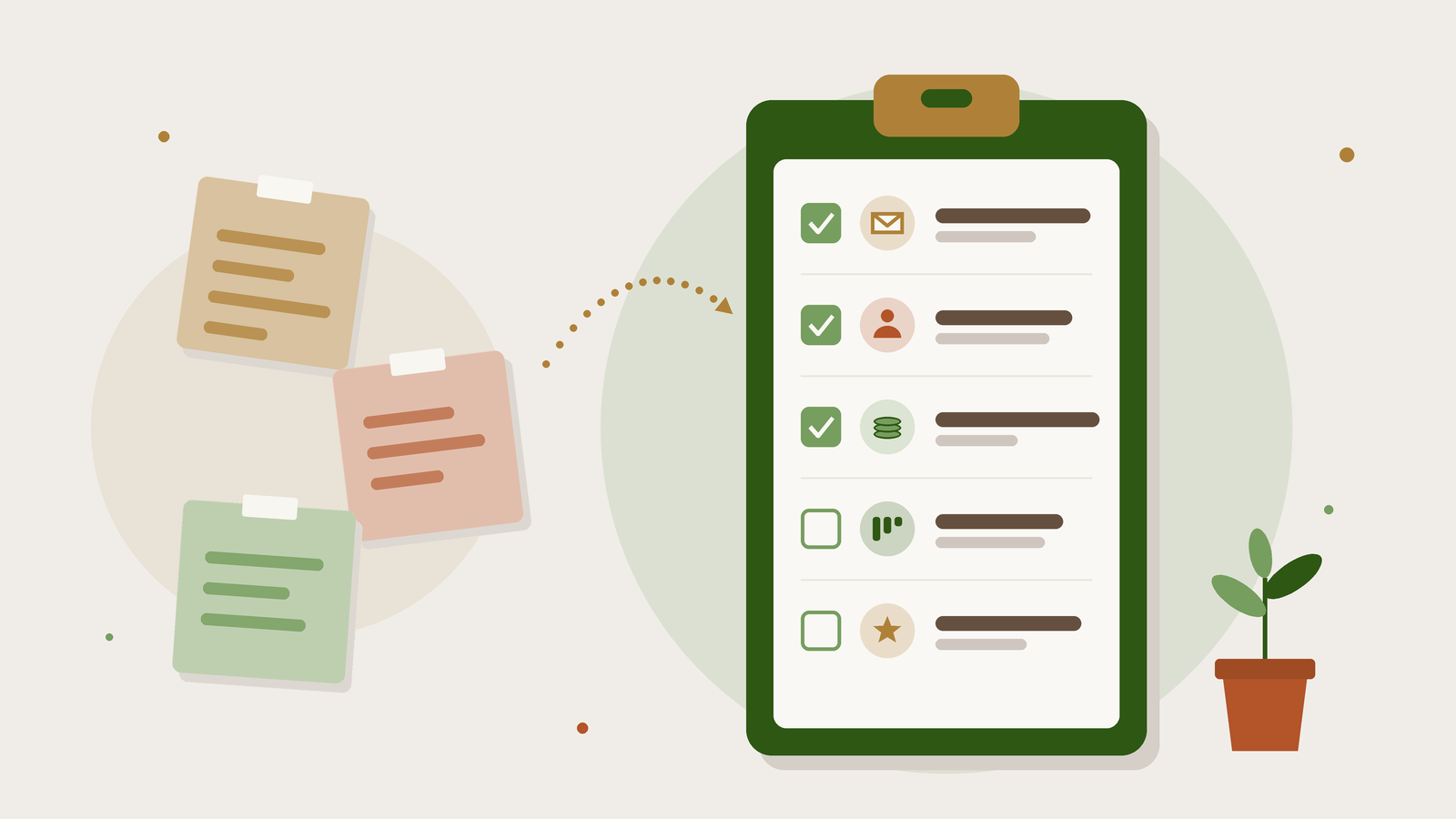
Writing down how your business runs is one of those things every founder agrees they should do and very few actually get to, mostly because it feels like a massive project when it doesn't have to be. You don't need a google doc with fifty different procedures. You need the handful that touch your clients and your cash flow, written simply enough that someone else could follow them without calling you.
First, what does "written down" actually mean?
A written process (you'll also hear it called a standard operating procedure) doesn't need to be fancy. In truth, a good one is fairly short and answers five questions:
What kicks it off? The trigger, like a new inquiry or a signed contract.
What are the steps, in order?
Who owns each step? Even if right now the answer is always "me."
Which tools or templates are used? Is it an email template, form, folder etc.
What does "done" look like? So nobody has to guess when it's finished.
The 5 processes to write down first
1. New Inquiry --> Booked Call
This is everything that happens from the moment someone reaches out: where inquiries come in, how quickly you reply, what you send them, and how they book time with you. When this only lives in your head, good leads can sit in your inbox for days while you're busy serving the clients you already have.
Write down: where inquiries arrive, your reply template, your booking link, and what you do if someone doesn't respond.
2. Client Onboarding
The stretch from "yes, let's do this" to your first real working session. Contract, first invoice, welcome email, intake form, kickoff call, setting up their folder or project space. It's the first taste a client gets of what working with you actually feels like, and because you repeat it with every single client, it's usually the easiest win on this list.
Write down: each step in order, the templates you use, and how long each step should take.
3. Invoicing and Payments
When invoices go out, what your payment terms are, and (this is the part most people skip) what happens when a payment is late. Deciding your follow-up steps ahead of time means you're not deciding in the moment whether it's "too soon" to send a reminder, which is exactly where follow-ups quietly stop happening.
Write down: when you invoice, your terms, your reminder points, and the wording for each reminder.
4. How Work Moves From Start to Done
This is your delivery process: where tasks live, how you track what's in progress, when the client reviews things, how revisions are handled, and how you know something is truly finished. It's also where projects tend to slip, especially once more than one person is touching the work.
Write down: your stages (for example, to do, in progress, in review, done), who moves work between them, and how many revision rounds are included.
5. Offboarding
Most founders put all their energy into the beginning of a client relationship and very little into the end. You should always track: final deliverables, final invoice, asking for feedback, asking for a testimonial or referral, and archiving their files. A clean wrap-up is where reviews and referrals come from... and it's the step that disappears first when you're busy.
Write down: your final handoff checklist, your feedback and testimonial ask, and where client files go when the project closes.
How to Write SOP's Without it Taking Over Your Month
Write it the next time you do it. Don't try to remember the steps from scratch; keep a doc open the next time you onboard a client or send an invoice, and jot down each step as it happens.
A rough draft is fine. A bulleted list is a perfectly good first version, you can polish it later.
Test it on someone else. Hand it to a team member (or reread it yourself in a few weeks) and notice where they get stuck. (Those gaps are your edits.)
Keep everything in one place. Your project management tool or a shared folder your team actually opens.
Revisit when something changes. New tool, new offer, new team member? Give the process a quick update.
Where to start
None of this has to happen this week. Pick the one process that's costing you the most right now (it's usually the one you've explained out loud the most times) and start there. One process written down well will do more for you than five half-finished ones. Take it one at a time, at a pace you can actually keep, and let each one make the next a little easier to build.
Not sure which process to start with? Book a free audit call with our team. We'll walk through how things are running in your business right now, help you spot where work is getting stuck, and point you to the process that will make the biggest difference first. Book your free audit call.
From our founder:
Sign up for our newsletter! It's where I share the stuff that doesn't make it to the blog. You'll get the real behind-the-scenes, the lessons before they're polished into a post, and the news you'll hear from me first. Every once in a while, I'll drop a perk or a freebie in there before anywhere else. If that sounds like your kind of insider access, join the newsletter.



How to Make Your Business Run Without You, One Automation at a Time
Wildiah Edouard Published on: 19/10/2026Make your business run without you, one automation at a time. A free 3-part series of step-by-step automations you can set up yourself.